Article Was Last Updated August 26, 2026
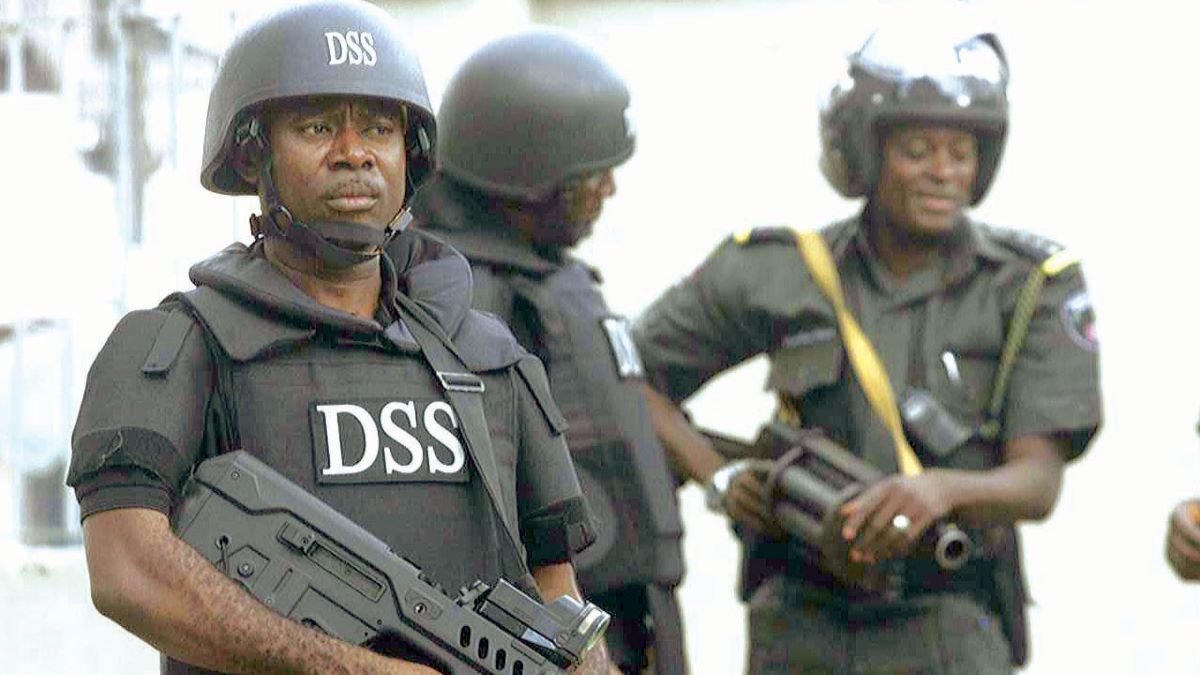
The Department of State Services Nigeria (DSS) is Nigeria’s domestic intelligence agency responsible for internal security, intelligence gathering and protection of government officials.
Formerly called the State Security Service (SSS), the DSS was established in 1986 after the Nigerian government dissolved the National Security Organisation (NSO) and created separate intelligence agencies under the National Security Agencies Act.
The agency handles counter-intelligence, counter-terrorism intelligence, security investigations, classified information protection and threat prevention. The DSS operates from its headquarters in Abuja and maintains state commands across Nigeria.
This article explains the Department of State Services Nigeria history, functions, duties, powers, ranks, salary structure, recruitment process, headquarters, leadership and differences between DSS and Police.
History of the Department of State Services Nigeria
The history of the Department of State Services Nigeria began in June 1986 after the Federal Military Government dissolved the National Security Organisation (NSO) through Decree No. 19 of 1986.
Before the reform, the NSO managed domestic, foreign and military intelligence under one organisation. The restructuring separated these responsibilities and created three intelligence agencies.
The Department of State Services (DSS) became responsible for domestic intelligence and internal security. The National Intelligence Agency (NIA) took responsibility for foreign intelligence, while the Defence Intelligence Agency (DIA) became responsible for military intelligence.
The DSS began operations from Ikoyi, Lagos, before moving its headquarters to Abuja. Ismaila Gwarzo became the first Director-General of the service.
Although Nigerians still use the name State Security Service (SSS), the official name remains the Department of State Services (DSS).
Functions and Duties of DSS Nigeria
The duties of DSS Nigeria include intelligence gathering, counter-intelligence, counter-terrorism, protection of government officials and prevention of threats to internal security.
Under the National Security Agencies Act of 1986, the DSS gathers intelligence, prevents crimes against internal security, protects non-military classified information and carries out security duties assigned by the President.
The agency collects and analyses intelligence through investigations, surveillance, technical resources and cooperation with other security organisations.
DSS officers monitor activities linked to terrorism, espionage, sabotage, organised crime and other threats affecting Nigeria’s internal security.
The service also conducts counter-intelligence operations to detect espionage activities and attempts to obtain classified government information.
The DSS provides protective intelligence for the President, Vice President, senior government officials, visiting foreign dignitaries, strategic facilities and major national events.
The agency conducts security screening for sensitive public appointments, prepares intelligence reports for government authorities and supports joint operations with other security agencies.
Powers of DSS Nigeria
The powers of the Department of State Services include intelligence gathering, internal security investigations, protective services and national security operations.
The National Security Agencies Act empowers the DSS to prevent and detect crimes affecting Nigeria’s internal security, protect classified non-military information and perform internal security duties assigned by the President.
DSS officers collect intelligence, assess security risks, investigate threats and support lawful security operations.
The agency also shares intelligence with the Armed Forces, Nigeria Police Force, Economic and Financial Crimes Commission (EFCC) and other security agencies during joint operations.
The powers of DSS apply mainly to internal security matters. Other criminal offences remain under the responsibility of agencies with legal authority over those offences.
Law That Established DSS Nigeria
The National Security Agencies Act of 1986 established the Department of State Services Nigeria.
The law, enacted as Act No. 19 of 1986, dissolved the National Security Organisation and created three separate intelligence agencies:
| Agency | Responsibility |
| Department of State Services (DSS) | Domestic intelligence and internal security |
| National Intelligence Agency (NIA) | Foreign intelligence |
| Defence Intelligence Agency (DIA) | Military intelligence |
The Act assigns DSS responsibility for preventing threats to Nigeria’s internal security, protecting classified non-military information and providing intelligence support to government authorities.
DSS Organisational Structure and Leadership
The Director-General heads the Department of State Services and supervises the agency’s nationwide operations.
The Director-General manages intelligence activities, administration, finance, training, technical services and operational planning. The office reports to the President through Nigeria’s national security structure.
The DSS operates through its headquarters in Abuja and state commands across Nigeria’s 36 states and the Federal Capital Territory.
State Directors manage DSS activities within their locations and report through the agency’s chain of command.
The current Director-General of DSS is Adeola Oluwatosin Ajayi. President Bola Tinubu appointed Ajayi on 26 August 2024 to replace Yusuf Magaji Bichi.
DSS Ranks and Hierarchy
The DSS operates a rank structure that determines authority, duties and promotion levels.
| DSS Rank | Position |
| Recruit | Training stage |
| Officer Cadet | Officer under training |
| Assistant Security Officer (ASO) | Entry-level officer |
| Deputy Security Officer (DSO) | Junior officer |
| Security Officer (SO) | Operational officer |
| Senior Security Officer (SSO) | Senior operational officer |
| Principal Security Officer (PSO) | Supervisory officer |
| Assistant Director (AD) | Middle management |
| Deputy Director (DD) | Senior management |
| Director (D) | Department head |
| Director of Operations | National operations |
| Director-General | Head of DSS |
Promotion within the DSS depends on service record, professional training, performance, discipline and available positions.
DSS Salary Structure in Nigeria (2026)
The Department of State Services does not publish an official salary structure showing how much officers earn by rank.
DSS salary depends on rank, grade level, qualifications, years of service, professional training and operational responsibilities. Figures published by recruitment and career websites remain estimates because the agency has not released an official salary chart.
| DSS Rank | Estimated Monthly Salary |
| Cadet Officer (Trainee) | ₦120,000–₦180,000 |
| Assistant Cadre | ₦150,000–₦220,000 |
| Intelligence Officer II | ₦180,000–₦280,000 |
| Intelligence Officer I | ₦250,000–₦400,000 |
| Senior Intelligence Officer | ₦350,000–₦600,000 |
| Principal Intelligence Officer | ₦500,000–₦800,000 |
| Deputy Director and Above | ₦800,000–₦1.5 million+ |
Entry-level DSS salary is estimated at ₦120,000 to ₦180,000 per month. Officers receive higher pay as they move through the ranks.
A DSS officer’s salary depends on:
- Rank
- Years of service
- Educational qualification
- Professional training
- Operational posting
- Special assignments
Officers may receive allowances and benefits linked to official duties, including:
- Housing allowance
- Transport allowance
- Hazard allowance
- Operational allowance
- Duty tour allowance
- Leave allowance
- Medical allowance
- Uniform allowance where applicable
- Pension benefits
- Professional training
- Welfare support
DSS Recruitment Nigeria
DSS recruitment is not permanently open. The agency announces recruitment when vacancies become available through official channels.
Applicants must meet the requirements stated in recruitment notices, which may include Nigerian citizenship, educational qualifications, valid identification, good character and the ability to pass security screening.
The recruitment process includes application review, document verification, screening, medical assessment, security checks and training before appointment.
The DSS does not charge recruitment fees. Applicants should avoid individuals or websites claiming to sell DSS forms or guarantee employment.
How to Join DSS Nigeria
Candidates can join the Department of State Services through official recruitment exercises when vacancies open.
Applicants must submit accurate information, provide required documents, complete screening procedures and pass security checks before appointment.
Successful candidates undergo DSS training, which covers intelligence gathering, surveillance, investigation procedures, national security, communication, discipline and operational methods.
DSS Headquarters and Offices in Nigeria
The DSS headquarters is located in Abuja, Nigeria’s Federal Capital Territory.
The agency operates state commands across the 36 states and the Federal Capital Territory. These offices manage intelligence activities within their areas and report to DSS headquarters.
The DSS does not release a complete list of all office locations and direct contacts because of operational security requirements.
DSS Compared With Other Security Agencies in Nigeria
| Agency | Main Responsibility |
| DSS | Domestic intelligence and internal security |
| NIA | Foreign intelligence |
| DIA | Military intelligence |
| Nigeria Police Force | Crime investigation and law enforcement |
| EFCC | Financial crime investigation |
| NSCDC | Civil defence and critical infrastructure protection |
| NDLEA | Drug law enforcement |
| Nigerian Armed Forces | Defence and military operations |
The DSS handles intelligence and internal security matters, while the Nigeria Police Force handles criminal investigations, arrests and public law enforcement.