Article Was Last Updated August 26, 2026
Is Abuja a state in Nigeria? No. Abuja is Nigeria’s capital city and is located within the Federal Capital Territory (FCT), not one of the country’s 36 states.
Many people assume Abuja is a state because it is home to the country’s top government institutions. The Presidential Villa, the National Assembly and the Supreme Court are all located there. However, the city has a different legal status from Nigeria’s states.
Here’s how Abuja fits into Nigeria’s system of government and why it stands apart from the rest of the country.
What Is Abuja?
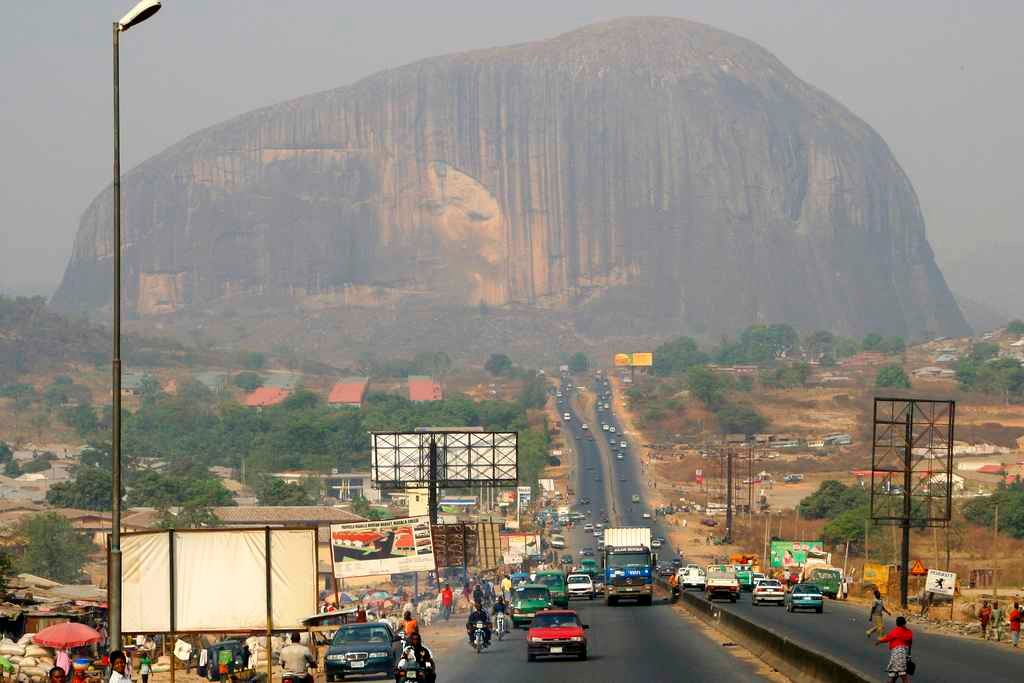
Abuja is Nigeria’s capital city. It replaced Lagos as the national capital in 1991 after years of planning and construction.
Unlike many Nigerian cities that expanded gradually, Abuja was built around a master plan. Residential neighbourhoods, business districts, major roads and government zones were mapped out before most of the city was developed. That planning continues to influence how Abuja grows.
The city is the centre of Nigeria’s federal government. It houses the Presidential Villa, the National Assembly, the Supreme Court, federal ministries, foreign embassies and the headquarters of many public institutions. Well-known districts include Maitama, Asokoro, Wuse, Garki, Jabi and Gwarinpa.
Abuja also serves as a major destination for business, conferences, education and tourism. People travel there from across Nigeria and abroad for government work, investment, events and official meetings.
What Is The Federal Capital Territory (FCT)?
The Federal Capital Territory is the area that contains Abuja and several surrounding towns and rural communities. It is a separate territory rather than one of Nigeria’s states.
The FCT covers a much larger area than Abuja city alone. Besides the capital, it includes developing communities, farmland and long-established settlements spread across the territory.
Local administration is organised through six Area Councils:
- Abuja Municipal Area Council (AMAC)
- Abaji Area Council
- Bwari Area Council
- Gwagwalada Area Council
- Kuje Area Council
- Kwali Area Council
Each Area Council manages local services within its boundaries, including markets, primary healthcare, waste management and community infrastructure. The Federal Capital Territory Administration coordinates services and development across the territory as a whole.
Why Is Abuja Not A State In Nigeria?
Nigeria did not create Abuja as a state. Instead, the Constitution established the Federal Capital Territory as a separate territory for the national capital.
Before Abuja became the capital, Lagos served as both the country’s capital and the capital of Lagos State. The move to Abuja introduced a different arrangement. Rather than placing the capital inside an existing state, Nigeria established a territory under direct federal administration.
As a result, Abuja does not appear on the official list of Nigeria’s 36 states. It remains the principal city within the Federal Capital Territory.
Who Governs Abuja?
Abuja does not have a governor or a state House of Assembly.
The President has constitutional responsibility for the Federal Capital Territory and appoints the Minister of the Federal Capital Territory to oversee its administration. The Federal Capital Territory Administration plans development, manages public infrastructure and delivers many government services across the territory.
The six Area Councils handle local responsibilities such as community markets, primary schools, environmental sanitation and local roads. Together, they support day-to-day administration while the Federal Government oversees the territory.
How Abuja Differs From Nigeria’s States
Every Nigerian state has an elected governor, a House of Assembly and its own executive branch. Abuja follows a different system because it is part of the Federal Capital Territory.
The difference becomes clearer when compared side by side.
| Feature | Abuja (FCT) | Nigerian States |
| Legal Status | Federal Capital Territory | Federating State |
| Head of Administration | FCT Minister | Governor |
| State House of Assembly | No | Yes |
| Number | One FCT | 36 States |
| National Capital | Yes | No |
Which State Does Abuja Belong To?
The confusion usually comes from geography rather than law. The Federal Capital Territory shares borders with Niger, Kaduna, Nasarawa and Kogi states, so many journeys into Abuja begin by crossing one of those state boundaries.
Road signs, transport routes and postal addresses can reinforce that assumption. For example, commuters regularly travel between Abuja and neighbouring towns in Nasarawa and Niger, making the border less obvious in daily life.
Official maps define the Federal Capital Territory as its own jurisdiction with clearly marked boundaries. Those boundaries do not change because of economic links, commuting patterns or shared infrastructure with neighbouring states.
Why Was Abuja Chosen As Nigeria’s Capital?
Finding a new capital became a national priority as Lagos experienced rapid population growth and increasing pressure on land and public infrastructure. Planners also wanted a location that could support future expansion without the space limitations facing the former capital.
A site near the centre of the country met those planning requirements. It offered a large area for long-term urban development, allowing government institutions, transport networks and residential districts to grow within a single master plan.
After years of planning and construction, the Federal Government formally relocated the national capital to Abuja on 12 December 1991.
Key Facts About Abuja
The table below summarises the most important facts covered in this guide.
| Feature | Information |
| Country | Nigeria |
| Status | Capital city |
| Administrative Area | Federal Capital Territory (FCT) |
| Capital Since | 12 December 1991 |
| Former Capital | Lagos |
| Location | Central Nigeria |
| Neighbouring States | Niger, Kaduna, Nasarawa and Kogi |
| Seat of Government | Yes |
| Home to the National Assembly | Yes |
| Home to the Supreme Court | Yes |
| Home to the Presidential Villa | Yes |
The city’s role extends beyond government. Abuja is also a centre for diplomacy, business, education and international conferences. Foreign embassies, multinational organisations and many federal agencies operate from the capital, making it one of Nigeria’s busiest administrative and commercial centres.