Article Was Last Updated August 25, 2026
Nigeria hosts a large and diverse number of non governmental organisations (NGOs) that support development, humanitarian response, advocacy, and community services across the country. Most organisations operate under the Companies and Allied Matters Act 2020 and register as Incorporated Trustees with the Corporate Affairs Commission, which now serves as the central legal registry for NGOs.
A complete public database of all NGOs does not exist in one place. Registration records sit across different systems, and many organisations change structure, merge, or become inactive over time. For sector-wide coordination and accountability support, networks such as the Nigeria Network of NGOs maintain member directories and promote transparency standards.
Meaning of Non-Governmental Organisations in Nigeria
A non-governmental organisation in Nigeria operates as an independent, non-profit entity that delivers social, humanitarian, or development services without direct government control. These organisations channel resources into public-benefit programmes rather than distributing profits to members or directors.
Non-profit organisations cover all entities that reinvest surplus income into their mission. NGOs usually focus more specifically on advocacy, development programmes, humanitarian aid, and long-term social impact work.
Functions of NGOs in Nigeria
NGOs strengthen service delivery in areas where public systems face capacity gaps. In healthcare, they run outreach programmes, vaccination support, and community health education. In education, they support literacy, provide learning materials, and fund school access programmes.
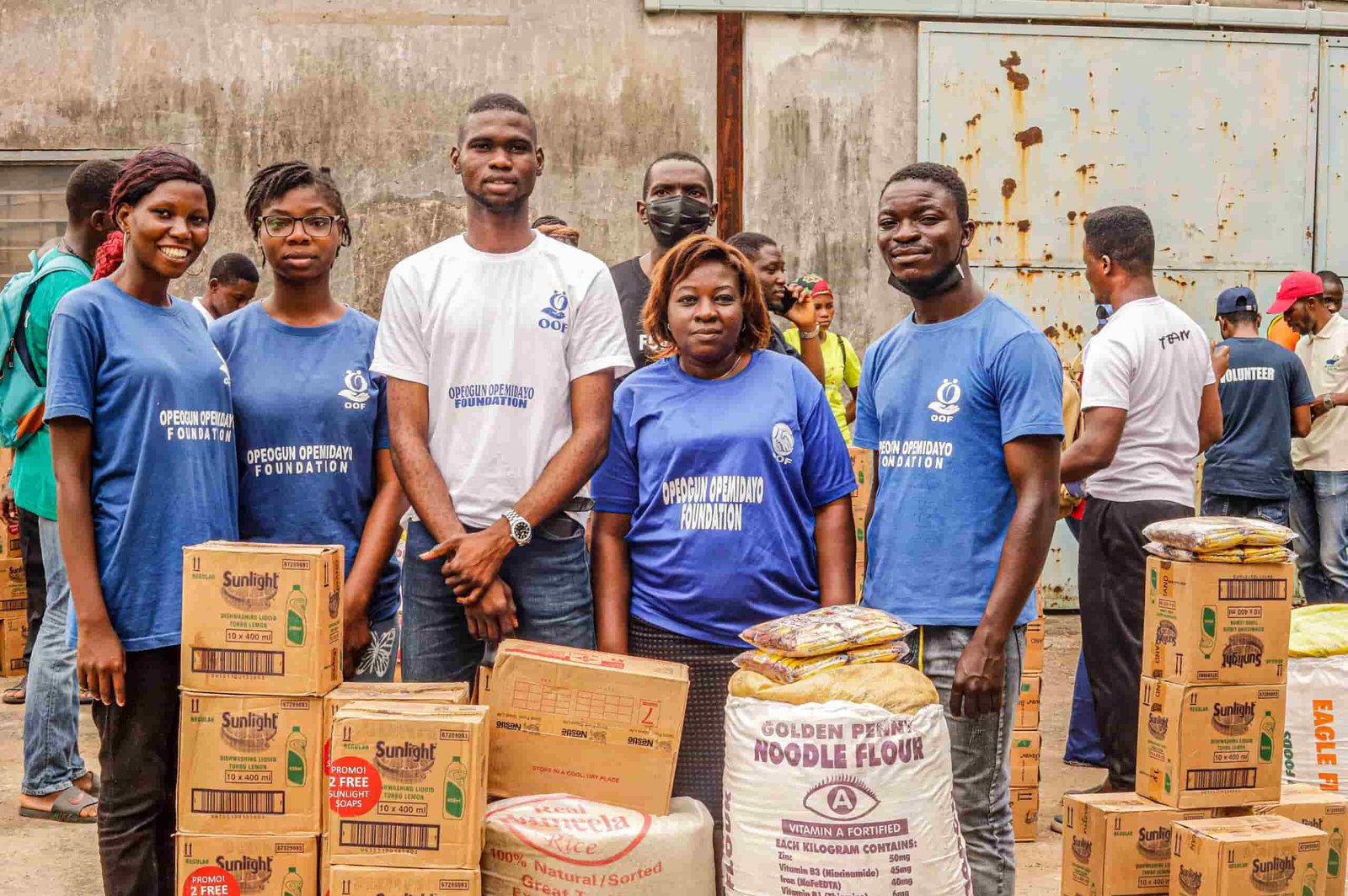
They also protect human rights through advocacy, legal support, and awareness campaigns. In economic development, they train communities, support small businesses, and fund skills acquisition programmes. During emergencies, they provide food, shelter, and medical relief while supporting recovery efforts.
Examples of NGOs in Nigeria
Commonly recognised examples of Non-Governmental Organisations in Nigeria operating across sectors include:
- Society for Family Health
- ActionAid Nigeria
- Save the Children Nigeria
- Nigerian Red Cross Society
- Women’s Rights Advancement and Protection Alternative (WRAPA)
- CARITAS Nigeria
- LEAP Africa
- Oxfam Nigeria
- Tony Elumelu Foundation
- CLEEN Foundation
- Civil Society Legislative Advocacy Centre (CISLAC)
- Women Environmental Programme (WEP)
- Partnership Initiatives in the Niger Delta (PIND)
- Lagos Food Bank Initiative
- Centre for Citizens with Disabilities
List of NGOs in Nigeria (Only Approved NGOs in Nigeria)
This list reflects a historical register previously compiled under national planning structures. It does not represent the current legal status. It includes organisations that were recognised at the time of listing, but their present activity status may differ.
- Initiative for Community Development – Community development – Rivers, Lagos, Abuja
- Africa Initiative for Education and Economic Development – Education – Abuja
- Global Women Empowerment Association (GLOWEM) – Women’s empowerment – National
- Centre for Community Empowerment for the Underprivileged – Social development – Abuja
- Voluntary Work Camps Association of Nigeria – Rural development – Lagos
- Torjir-Agber Foundation – Education and health – Abuja
- Women Solace & Enablement Foundation – Women’s empowerment – Abuja
- Challenged Children Foundation (3CF) – Health – Abuja
- Rahi Medical Outreach – Healthcare – Delta, Rivers
- Centre for Peacebuilding and Socio-Economic Resources Development – Peacebuilding – Abuja
- Global Network for Peace and Anti-Corruption Initiative – Governance – Abuja
- Kanem Bornu Human Development Association – Healthcare – Borno
- Vantaged Teens Centre – Skills development – Abuja
- Poverty Alleviation for the Poor Initiative – Community development – Delta
- Health & Social Service Initiative – Healthcare – Abia
- Ken Nnamani Centre for Leadership Development – Governance – Abuja
- Africa Safe Water Foundation – Water and sanitation – Lagos
- Foundation for Promotion of Good Health – Public health – multiple states
- Local & General Agricultural Development Foundation – Agriculture – Abuja
- Africans in Distress Care Trust – Youth and women support – Abuja
- Dunns Rural Industrialisation Programme – Economic development – Abuja
- Agency for African Families in Distress – Peacebuilding – Abuja, Bauchi
- Society for Community Development – Community development – Abuja, Edo
- AFRICT Empowerment Initiative – Education – Enugu, Abuja
- Global Access Foundation – Poverty reduction – Abuja
- Centre for Skills and Technology Acquisition – Capacity building – Akwa Ibom
- Escxorl Education and Childcare Foundation – Child development – Abuja
- Centre for Hospital & Health Service Improvement – Healthcare – Cross River
- Faith-Based AIDS Awareness Initiative – Health education – Plateau
- Society for Maternal and Child Support Initiative in Africa – Maternal health – Kaduna
- African Youth Rehabilitation Initiative – Youth empowerment – Abuja
- African Youths Empowerment Network International – Youth development – Abuja
- Leadership Centre for Peace, Integrity and Transformation – Governance – Delta
- African Liberty & Hope Initiative – Poverty reduction – Abuja
- Initiators of Awareness and Development – Civic education – Abuja
- Progressive Initiative for Educational Development – Education – Nasarawa
- Organised Centre for Empowerment & Advocacy in Nigeria – Women and youth support – Plateau
- Education as a Vaccine Against AIDS – Education and health – multiple states
- Youth Enhancement Organisation – Youth development – Imo
- Hope for the Village Child Foundation – Community support – Kaduna
- Global Network Against Trafficking in Women and Children – Anti-trafficking – Abuja
- African Youths International Development Foundation – Youth development – Abuja
- Community Development Foundation – Community development – Lagos
- Safinatu Buhari Foundation – Health – Kaduna
- Youth for Peace and Development in Niger Delta – Youth advocacy – Bayelsa
- Civic Duties Awareness Initiatives – Civic engagement – Abuja
- Fantsuam Foundation – Livelihoods, health, education – Kaduna
- Mass Medical Mission – Cancer care – Abuja
- Sir Emeka Offor Foundation – Community development – Abuja
- Excellent World Foundation – Community development – Delta
- Dave Nnabuife Inyere Foundation – Health management – Lagos
- Senior Citizens & Elders Forum Nigeria – Elderly care – Abuja
- African Development Initiative for Poverty Alleviation – Agriculture – Abuja
- Liftup Care for the Needy Foundation – Disability support – Kogi
- Centre for Economic Viability in Africa – Health and development – Abuja
- Sev-an Foundation – Agriculture – Abuja
How NGOs Operate in Nigeria
NGOs begin operations through name reservation and incorporation with the Corporate Affairs Commission. Founders appoint trustees who legally represent the organisation and define governance through a constitution.
After incorporation, NGOs register with SCUML under financial monitoring requirements, especially when they receive foreign funding. Boards of trustees provide strategic oversight while management teams handle daily operations. Annual returns, audited accounts, and donor reporting maintain compliance and credibility.