Article Was Last Updated August 26, 2026
The Inspector General of Police of Nigeria is the highest-ranking officer in the Nigeria Police Force and leads the country’s federal police institution. The office oversees police operations, administration, personnel management and national policing strategies.
Current Inspector General of Police of Nigeria in 2026
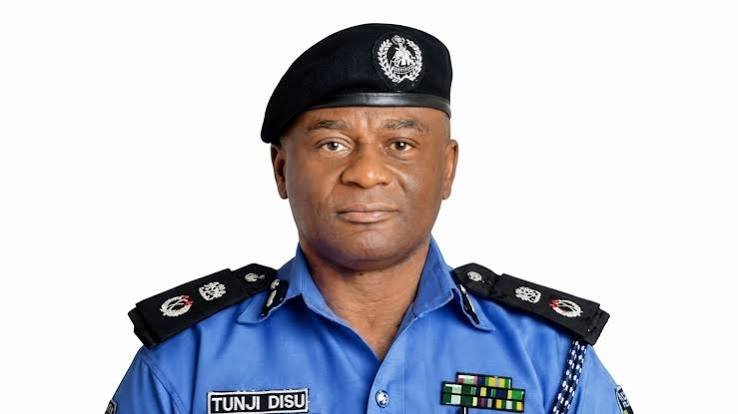
Olatunji Rilwan Disu is the current Inspector-General of Police of Nigeria. Before his appointment, he served as an Assistant Inspector-General of Police and held several leadership positions within the Nigeria Police Force.
The Nigeria Police Force identifies Disu as the 23rd indigenous Inspector-General of Police.
President Bola Ahmed Tinubu appointed Disu as acting Inspector-General of Police in February 2026 following the retirement of Kayode Egbetokun. The Nigeria Police Council later endorsed the appointment.
Since assuming office, IGP Disu has focused on police leadership coordination, officer welfare, promotions and operational reforms. In June 2026, he approved the promotion of 17,952 junior police officers across different ranks within the Nigeria Police Force.
Inspector General of Police Nigeria Biography and Career Background
Olatunji Rilwan Disu, popularly known as Tunji Disu, is a Nigerian police officer who became the Inspector-General of Police of Nigeria in 2026. He joined the Nigeria Police Force in 1992 and built his career through operational policing, intelligence, criminal investigations and command leadership roles.
Disu was born on 13 April 1966 in Lagos Island, Lagos State. He began his policing career on 18 May 1992 when he was appointed as an Assistant Superintendent of Police. Over more than three decades in the Nigeria Police Force, he served in different commands and specialised units before rising to the rank of Assistant Inspector-General of Police.
Education Background
Tunji Disu has academic qualifications in education, public administration, criminology and security studies.
His educational background includes:
- Bachelor’s degree in English Education from Lagos State University
- Master’s degree in Public Administration from Adekunle Ajasin University
- Master’s degree in Criminology, Security and Legal Psychology from Lagos State University
- Advanced Diploma in Forensic Investigation and Criminal Intelligence from the University of Lagos
- Postgraduate Diploma in International Relations and Strategic Studies from Lagos State University
He also completed professional police training programmes focused on areas including investigations, strategic leadership, intelligence operations and security management.
Early Career
Disu began his career as an Assistant Superintendent of Police and later served in several operational and administrative positions within the Nigeria Police Force.
His early career involved assignments in crime prevention, investigations and specialised policing units. He gained experience managing tactical operations and leading teams involved in security and criminal intelligence activities.
Career Progression
Before becoming Inspector-General of Police, Tunji Disu held several senior positions across the Nigeria Police Force.
His major career positions include:
Commander, Lagos State Rapid Response Squad
Disu served as Commander of the Lagos State Rapid Response Squad (RRS), where he led a specialised urban crime response unit. He held the position from 2015 to 2021.
During this period, he gained recognition for leading a specialised police unit focused on rapid response operations in Lagos.
Deputy Commissioner of Police, Intelligence Response Team
Disu later served as head of the Intelligence Response Team (IRT), a specialised unit of the Nigeria Police Force responsible for intelligence-led investigations. He held the role from 2021 to 2023.
Commissioner of Police, Rivers State
In November 2023, Disu became Commissioner of Police in Rivers State. He served in the position until 2024 before moving to another senior command role.
Commissioner of Police, Federal Capital Territory
Disu served as Commissioner of Police of the Federal Capital Territory (FCT) from 2024 to 2025. The role placed him in charge of policing operations in Abuja and surrounding areas.
Assistant Inspector-General of Police Roles
Before becoming Inspector-General of Police, Disu served as Assistant Inspector-General of Police in senior administrative and investigative positions, including leadership roles connected to the Special Protection Unit and the Force Criminal Investigation Department.
International Experience and Professional Memberships
Throughout his career, Disu participated in professional policing activities and international security engagements.
He served as part of Nigeria’s police contribution to international peace support operations, including the African Union Mission in Sudan (AMIS) in 2005.
He is also associated with professional organisations including the International Association of Chiefs of Police and other security-related bodies.
Awards and Recognition
During his police career, Disu received recognition for operational leadership and policing achievements.
Reported recognitions include:
- Best Commissioner of Police at the 2024 Inspector-General of Police Recognition Awards
- Recognition connected to crime control operations while leading the Lagos State Rapid Response Squad
- Awards from security and policing organisations for operational performance
Personal Interests
Beyond policing, Disu has participated in judo and sports activities.
He holds a third dan black belt in judo and has served in leadership roles within the Nigeria Police Judo Association. He also represented Nigeria in judo competitions, including the 2022 US Open Judo Championships, where he won a silver medal.
Summary of Tunji Disu’s Career Timeline
| Year | Position |
| 1992 | Joined Nigeria Police Force as Assistant Superintendent of Police |
| 2015–2021 | Commander, Lagos State Rapid Response Squad |
| 2021–2023 | Head, Intelligence Response Team |
| 2023–2024 | Commissioner of Police, Rivers State |
| 2024–2025 | Commissioner of Police, Federal Capital Territory |
| 2025–2026 | Assistant Inspector-General of Police roles |
| 2026 | Inspector-General of Police of Nigeria |
Duties of the Inspector General of Police of Nigeria
The Inspector General of Police manages the overall activities of the Nigeria Police Force.
The main duties of the IGP include:
- Commanding the Nigeria Police Force
- Developing policing strategies
- Coordinating police operations across Nigeria
- Supervising senior police officers
- Managing police formations and commands
- Improving crime prevention efforts
- Maintaining internal police discipline
- Supporting public safety operations
- Coordinating with other security agencies
The IGP also provides national leadership for state police commands, zonal commands and specialised police units.
Powers of the Inspector General of Police of Nigeria
The Inspector General of Police has administrative and operational authority over the Nigeria Police Force.
The powers of the IGP include:
- Directing police operations nationwide
- Assigning senior police officers to commands and formations
- Managing police resources
- Implementing police policies
- Supervising investigations and security operations
- Maintaining professional standards within the Force
The IGP exercises these powers within the framework established by Nigeria’s Constitution and the Police Act.
How the Inspector General of Police of Nigeria Is Appointed
The appointment of the Inspector General of Police follows Nigeria’s constitutional and legal framework.
The process involves:
- The President selects a senior police officer for appointment.
- The Nigeria Police Council considers and endorses the appointment.
- The appointment follows further constitutional requirements.
The Nigeria Police Council includes the President, state governors and other designated officials responsible for advising on police matters.
In 2026, the Nigeria Police Council ratified Olatunji Disu’s appointment before his confirmation process continued.
Nigeria Police Force Structure Under the Inspector General of Police
The Inspector General of Police leads a command structure that operates through different levels.
Deputy Inspectors-General of Police
Deputy Inspectors-General assist the IGP in managing major areas of police administration and operations.
Assistant Inspectors-General of Police
Assistant Inspectors-General supervise zones and specialised police formations.
Commissioners of Police
Commissioners command police operations at state level.
State Police Commands
Each state has a Police Command headed by a Commissioner of Police.
Force Headquarters
The Force Headquarters in Abuja coordinates national police administration and strategic decisions.
Inspector General of Police Nigeria Salary and Rank
The Inspector General of Police Nigeria holds the highest police rank in the country and occupies the top position in the Nigeria Police Force salary structure.
The exact monthly salary of the Inspector General of Police is not publicly listed as a standalone figure. The officer’s earnings follow the approved remuneration structure for senior police officers, which includes basic pay and official allowances.
The total compensation package may include benefits attached to the office, such as:
- Housing allowance
- Transport allowance
- Duty-related benefits
- Official security arrangements
- Other government-approved entitlements
The rank of Inspector General of Police is a unique position because it combines the highest police rank with the responsibility of leading the country’s police institution.
Below the Inspector General of Police, senior police ranks include:
- Deputy Inspector General of Police
- Assistant Inspector General of Police
- Commissioner of Police
- Deputy Commissioner of Police
- Assistant Commissioner of Police
The rank is usually held by a senior police officer appointed to lead the Nigeria Police Force after years of service and command experience.
Inspector General of Police Nigeria Contact and Office
The Office of the Inspector General of Police Nigeria is located at the Nigeria Police Force Headquarters, Louis Edet House, Abuja.
The office handles official communication connected to national police administration, public complaints and correspondence involving the Nigeria Police Force.
Members of the public may seek assistance through official police channels for matters such as:
- Complaints requiring police attention
- Requests for official information
- Reports involving police personnel
- Follow-up on police-related matters
The Nigeria Police Force also operates public communication platforms where citizens can access updates, announcements and official contacts.
For emergency situations, Nigerians can contact emergency services through the national emergency number, 112.
When submitting a complaint or request, individuals should provide accurate details, supporting documents and relevant information to help the appropriate police authority review the matter.
Difference Between Inspector General of Police and Commissioner of Police
The Inspector General of Police and Commissioner of Police are two different levels of leadership within the Nigeria Police Force.
The Inspector General of Police is the officer who leads the entire Nigeria Police Force, while a Commissioner of Police manages policing activities within a specific state command or designated formation.
The main differences include:
| Inspector General of Police | Commissioner of Police |
| Leads the Nigeria Police Force at national level | Leads a state police command or assigned formation |
| Holds the highest police rank | Holds a senior command rank below AIG and DIG |
| Oversees national police policy and direction | Manages police operations within an assigned area |
| Works from the Force Headquarters | Usually works from a state police command headquarters |
A Commissioner of Police can progress through senior ranks and may become eligible for appointment as Inspector General of Police, depending on service record, seniority and government selection.
List of Inspectors General of Police in Nigeria From 1964 to 2026
The Inspector General of Police office has been held by several Nigerian police chiefs since the establishment of the modern structure of the position.
| Inspector General of Police | Period in Office |
| Louis Edet | 1964–1966 |
| Kam Salem | 1966–1975 |
| Muhammadu Dikko Yusufu | 1975–1979 |
| Adamu Suleiman | 1979–1983 |
| Sunday Adewusi | 1983–1986 |
| Etim Inyang | 1986–1990 |
| Aliyu Atta | 1990–1993 |
| Ibrahim Coomassie | 1993–1999 |
| Musiliu Smith | 1999–2002 |
| Tafa Balogun | 2002–2005 |
| Sunday Ehindero | 2005–2007 |
| Mike Okiro | 2007–2009 |
| Ogbonna Onovo | 2009–2010 |
| Hafiz Ringim | 2010–2012 |
| Mohammed Abubakar | 2012–2014 |
| Suleiman Abba | 2014–2015 |
| Solomon Arase | 2015–2016 |
| Ibrahim Idris | 2016–2019 |
| Mohammed Adamu | 2019–2021 |
| Usman Alkali Baba | 2021–2023 |
| Kayode Egbetokun | 2023–2026 |
| Olatunji Rilwan Disu | 2026–Present |