Article Was Last Updated August 26, 2026
Nigeria has one of Africa’s largest higher education systems, with universities owned by the Federal Government, state governments, private organisations and specialised security institutions. From the establishment of the University of Ibadan in 1948 to newly approved universities in 2026, the country’s university system has expanded significantly to meet growing demand for quality higher education. FirstNigerian presents the complete list of universities in Nigeria. It includes every federal, state and private university recognised by the National Universities Commission (NUC), together with their locations, ownership and year of establishment.
Categories of Universities in Nigeria
Nigerian universities are grouped into four main categories:
- Federal universities, funded by the Federal Government.
- State universities, established by state governments.
- Private universities, owned by individuals, religious organisations or corporate bodies.
- Specialised universities, including military, police and other sector-specific institutions.
List of Universities in Nigeria (1948–1970)
1948 – University of Ibadan (Federal)
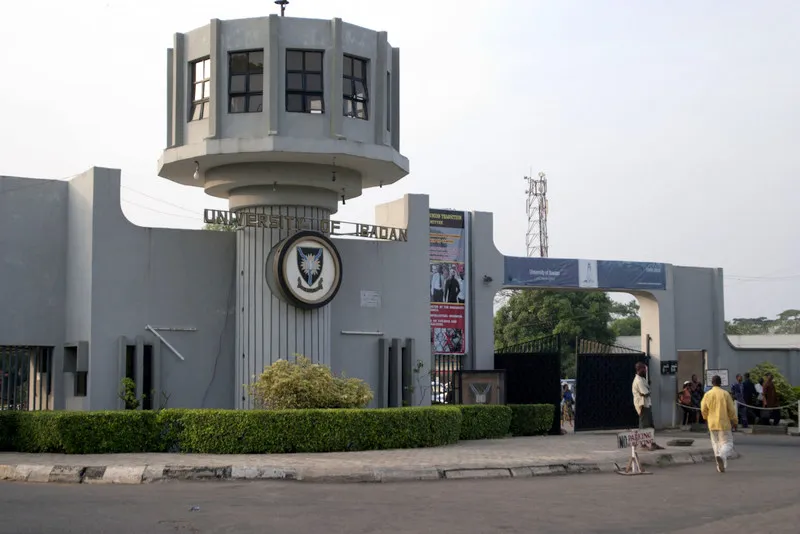
The University of Ibadan (UI), located in Ibadan, Oyo State, is Nigeria’s oldest university. Established in 1948 as the University College Ibadan, it initially operated as a college of the University of London before becoming an independent university in 1962. Today, UI is recognised as one of Nigeria’s leading institutions for teaching, research and postgraduate education.
1955 – University of Nigeria, Nsukka (Federal)
Founded in 1955 by Dr. Nnamdi Azikiwe and opened in 1960, the University of Nigeria, Nsukka (UNN), was the first indigenous university in Nigeria. Located in Enugu State, it pioneered the American-style university system in the country and remains one of Nigeria’s foremost research universities.
1961 – Obafemi Awolowo University (Federal)
Established in 1961 as the University of Ife, Obafemi Awolowo University (OAU) is located in Ile-Ife, Osun State. It was renamed in 1987 in honour of Chief Obafemi Awolowo and is widely known for academic excellence, research and innovation.
1962 – Ahmadu Bello University (Federal)
Ahmadu Bello University (ABU), Zaria, was established in 1962 and is one of the largest universities in Nigeria by student enrolment and academic programmes. Named after Sir Ahmadu Bello, the Sardauna of Sokoto, the university has produced thousands of professionals across various disciplines.
1962 – University of Lagos (Federal)
The University of Lagos (UNILAG) was established in 1962 to meet Nigeria’s growing demand for skilled professionals. Located in Akoka, Lagos State, it is consistently ranked among the country’s top universities and is recognised for excellence in medicine, engineering, law, business and the social sciences.
1964 – Adeyemi Federal University of Education (Federal)
Originally established in 1964 as Adeyemi College of Education in Ondo State, the institution was upgraded to a federal university in 2023. It is now known as Adeyemi Federal University of Education (AFUED) and specialises in teacher education and educational research.
1964 – Nigerian Defence Academy (Federal Military)
The Nigerian Defence Academy (NDA), located in Kaduna State, is Nigeria’s premier military university. Established in 1964, it trains officers for the Nigerian Armed Forces while offering accredited undergraduate and postgraduate degree programmes.
1970 – University of Benin (Federal)
Established in 1970 in Benin City, Edo State, the University of Benin (UNIBEN) began as a state-owned university before becoming a federal institution in 1975. It has grown into one of Nigeria’s leading universities, offering a wide range of undergraduate, postgraduate and professional programmes.
Universities Established in Nigeria (1971–1983)
During this period, the Federal Government established several universities to improve access to tertiary education across the country’s geopolitical zones. State governments also began creating their own universities to meet growing demand.
1971 – University of Jos (Federal)
The University of Jos (UNIJOS), located in Plateau State, was established in 1971 as a campus of the University of Ibadan before becoming an independent federal university in 1975. It is known for its strengths in medicine, natural sciences and the humanities.
1972 – Rivers State University (State)
Originally founded as the Rivers State College of Science and Technology, Rivers State University (RIVSU) became a university in 1980. Located in Port Harcourt, it is Nigeria’s first state-owned university of science and technology.
1975 – Second-Generation Federal Universities
In 1975, the Federal Government established several universities to expand access to higher education nationwide:
- University of Calabar (UNICAL), Cross River State
- University of Ilorin (UNILORIN), Kwara State
- University of Maiduguri (UNIMAID), Borno State
- University of Port Harcourt (UNIPORT), Rivers State
- Usmanu Danfodiyo University (UDUS), Sokoto State
- Bayero University (BUK), Kano State, which was upgraded to a federal university
These institutions remain among Nigeria’s leading universities, offering programmes across medicine, engineering, agriculture, law, education and the social sciences.
1977 – Lagos State University of Science and Technology (State)
Established in 1977 as Lagos State Polytechnic, the institution was upgraded to Lagos State University of Science and Technology (LASUST) in 2022. It is one of Nigeria’s leading universities for technology and applied sciences.
1978 – Federal University of Agriculture, Mubi (Federal)
The Federal University of Agriculture, Mubi, was established in Adamawa State to strengthen agricultural education, research and innovation in north-eastern Nigeria.
1979 – Enugu State University of Science and Technology (State)
Founded in 1979 as Anambra State University of Technology, the institution later became Enugu State University of Science and Technology (ESUT). It is recognised as Nigeria’s first state university of technology.
1980 – Abubakar Tafawa Balewa University (Federal)
Abubakar Tafawa Balewa University (ATBU), Bauchi State, was established in 1980 as a specialised federal university of technology. It offers programmes in engineering, environmental technology, management and applied sciences.
1981 – Federal Universities of Technology
To promote science and technological development, the Federal Government established three specialised universities in 1981:
- Federal University of Technology, Akure (FUTA)
- Federal University of Technology, Owerri (FUTO)
- Modibbo Adama University, Yola (formerly the Federal University of Technology, Yola)
These universities have become leading centres for engineering, technology and scientific research in Nigeria.
1981 – State Universities
Several important state universities were also established in 1981, including:
- Abia State University (ABSU)
- Ambrose Alli University (AAU)
- Ekiti State University (originally Ondo State University)
These institutions significantly expanded access to public university education at the state level.
1982 – Olabisi Onabanjo University (State)
Established as Ogun State University, the institution was renamed Olabisi Onabanjo University (OOU) in honour of the former governor of Ogun State. It is located in Ago-Iwoye and offers programmes across multiple disciplines.
1983 – National Open University of Nigeria (Federal)
The National Open University of Nigeria (NOUN) was originally established in 1983 as Nigeria’s distance learning university. After a period of inactivity, it was reactivated in 2002 and has since become Africa’s largest open and distance learning institution, providing flexible education for students across Nigeria and beyond.
1983 – Lagos State University (State)
Lagos State University (LASU), located in Ojo, was established by the Lagos State Government to provide quality higher education for residents of Lagos State and Nigeria. It has grown into one of the country’s leading state-owned universities, with strong programmes in law, medicine, engineering, management sciences and the humanities.
Universities Established in Nigeria (1988–1999)
Between 1988 and 1999, Nigeria expanded its university system to meet rising demand for higher education. During this period, the Federal Government created specialised universities, state governments opened new public institutions, and private universities entered the sector for the first time.
1988 – Federal Universities
In 1988, the Federal Government established several universities to strengthen higher education and support national development. They included:
- University of Abuja (UNIABUJA), Federal Capital Territory
- Federal University of Agriculture, Abeokuta (FUNAAB), Ogun State
- University of Agriculture, Makurdi, now Joseph Sarwuan Tarka University (JOSTUM), Benue State
- Nigeria Police Academy, Wudil, Kano State
Together, these institutions expanded access to university education while supporting agriculture, security studies and public administration.
1990 – Ladoke Akintola University of Technology
Two years later, Oyo State established Ladoke Akintola University of Technology (LAUTECH) in Ogbomoso. The university focuses on engineering, technology, agriculture and health sciences and remains one of Nigeria’s leading technology institutions.
1991 – University of Uyo
In 1991, the University of Uyo (UNIUYO) became a federal university after its transition from the former Cross River State University. Located in Akwa Ibom State, it now offers programmes across medicine, engineering, law, education and the sciences.
1992 – New Public Universities
Expansion continued in 1992 with the establishment of four major universities:
- Michael Okpara University of Agriculture, Umudike (MOUAU), Abia State
- Nnamdi Azikiwe University (UNIZIK), Anambra State
- Benue State University (BSU), Makurdi
- Delta State University (DELSU), Abraka
These universities increased access to higher education and strengthened research in agriculture, medicine, education and science.
1996 – Ebonyi State University
Ebonyi State University (EBSU) opened in Abakaliki in 1996. Since then, it has grown into a comprehensive public university with programmes in medicine, engineering, agriculture, law and the humanities.
1997 – Obong University
The private sector also began to expand. Obong University, located in Akwa Ibom State, started operations in 1997 before later receiving full university status.
1999 – New State Universities
By 1999, more state governments had established universities to improve access to tertiary education. Notable additions included:
- Adekunle Ajasin University (AAUA), Ondo State
- Prince Abubakar Audu University, formerly Kogi State University, Kogi State
Both universities have since become leading public institutions in their respective states.
1999 – The Rise of Private Universities
The biggest milestone came in 1999 when Nigeria licensed its first modern private universities. This decision reshaped the country’s higher education landscape and encouraged private investment in tertiary education.
The first generation of licensed private universities included:
- Babcock University, Ogun State
- Igbinedion University, Edo State
- Madonna University, originally established in Anambra State
These institutions opened the door for the rapid growth of private universities in Nigeria, a trend that continues today.
Universities Established in Nigeria (2000–2009)
The first decade of the 21st century reshaped university education in Nigeria. As student enrolment increased, governments established new public universities while the National Universities Commission (NUC) approved more private institutions. This expansion gave students greater access to higher education across the country.
2000 – State Universities Expand
The new decade opened with the establishment of two state universities:
- Chukwuemeka Odumegwu Ojukwu University (formerly Anambra State University), Anambra State
- Niger Delta University (NDU), Bayelsa State
Both institutions widened access to university education and supported regional development through teaching and research.
2001 – Public and Private Growth
Osun State welcomed Bowen University, the first private university owned by the Nigerian Baptist Convention. At the same time, Kano State established Aliko Dangote University of Science and Technology (formerly Kano University of Science and Technology), while Nasarawa State opened Nasarawa State University, Keffi.
2002 – A Turning Point
The pace quickened in 2002 as both public and private universities expanded.
New institutions included:
- Adamawa State University (ADSU)
- Benson Idahosa University (BIU)
- Covenant University (CU)
- Pan-Atlantic University (PAU)
Meanwhile, the Federal Government revived the National Open University of Nigeria (NOUN), restoring distance learning for students who needed a flexible path to higher education.
2004 – Gombe State University
Two years later, Gombe State established Gombe State University (GSU). The university has since become a leading public institution serving students across north-eastern Nigeria.
2005 – Private Universities Gain Momentum
By 2005, university expansion had gathered pace. While state governments continued to invest in public institutions, private universities spread across the country.
State universities established that year included:
- Ibrahim Badamasi Babangida University (IBBUL), Niger State
- Plateau State University (PLASU), Plateau State
- Tai Solarin University of Education (TASUED), Ogun State
Private universities approved in the same year included:
- Ajayi Crowther University
- Al-Hikmah University
- Al-Qalam University
- American University of Nigeria
- Bingham University
- Crawford University
- Crescent University
- Kwararafa University
- Redeemer’s University
- Renaissance University
- University of Mkar
Together, these institutions broadened access to higher education and strengthened Nigeria’s growing private university sector.
2006 – More State Universities
The expansion continued in 2006 as more state governments established universities to serve their growing populations.
New institutions included:
- Kebbi State University of Science and Technology (KSUSTA)
- Osun State University (UNIOSUN)
- Umaru Musa Yar’Adua University (UMYU)
- Yobe State University (YSU)
The private sector also added Joseph Ayo Babalola University, further increasing the number of faith-based universities in Nigeria.
2007 – Specialised Institutions Emerge
Attention then shifted to specialised education. The Federal Government established the Federal University of Petroleum Resources (FUPRE) in Effurun, making it Nigeria’s first university dedicated to petroleum studies.
Private universities licensed the same year included:
- Achievers University
- African University of Science and Technology
- Fountain University
- Salem University
- Veritas University
- Wesley University
- Western Delta University
2008 – Science and Technology
In 2008, Ondo State established the Olusegun Agagu University of Science and Technology, originally known as Ondo State University of Science and Technology. The institution focuses on science, engineering and technology programmes.
2009 – The Decade Closes Strongly
The momentum continued into 2009 with another round of university approvals.
New institutions included:
- Afe Babalola University (ABUAD)
- Godfrey Okoye University
- Kwara State University (KWASU)
- Nile University of Nigeria
- Oduduwa University
- Paul University
- Rhema University
- Sokoto State University
By the close of the decade, Nigeria had significantly expanded its university system. The growth of federal, state and private universities during these years laid the foundation for the even faster expansion that followed in the 2010s.
Universities Established in Nigeria (2010–2019)
The 2010s brought the largest expansion of universities in Nigeria. The Federal Government opened new universities across underserved states, state governments established additional public institutions, and the National Universities Commission (NUC) licensed more private universities. As a result, students had more options than at any other time.
2010 – New Universities
The decade opened with two new universities:
- Akwa Ibom State University (AKSU), Akwa Ibom State
- Adeleke University, Osun State
Both institutions increased access to higher education in southern Nigeria.
2011 – Nine New Federal Universities
Expansion accelerated in 2011 when the Federal Government established nine universities across the country:
- Alex Ekwueme Federal University, Ndufu-Alike, Ebonyi State
- Federal University, Dutse, Jigawa State
- Federal University, Dutsin-Ma, Katsina State
- Federal University, Kashere, Gombe State
- Federal University, Lafia, Nasarawa State
- Federal University, Lokoja, Kogi State
- Federal University, Otuoke, Bayelsa State
- Federal University, Oye-Ekiti, Ekiti State
- Federal University, Wukari, Taraba State
Private investment also increased that year with the establishment of:
- Baze University
- Landmark University
- Samuel Adegboyega University
Together, these institutions expanded university education into more parts of Nigeria.
2012 – Public and Private Growth
The expansion continued in 2012.
New universities included:
- Abiola Ajimobi Technical University (now The Technical University), Oyo State
- Bauchi State University (BASUG)
- Elizade University
- Evangel University
- Gregory University
- McPherson University
These additions strengthened both the public and private university sectors.
2013 – More Federal Universities
The Federal Government continued its expansion in 2013 by establishing:
- Federal University, Birnin Kebbi
- Federal University, Gashua
- Federal University, Gusau
- Sule Lamido University, Jigawa State
These universities improved access to higher education, particularly in northern Nigeria.
2014 – Anchor University
Private universities continued to grow with the establishment of Anchor University in Lagos.
2015 – More Private Universities
Private investment gathered pace in 2015 with the licensing of:
- Chrisland University
- Christopher University
- Edwin Clark University
- Hallmark University
- Hezekiah University
- Kings University
- KolaDaisi University
- Michael and Cecilia Ibru University
- Mountain Top University
- Summit University
This expansion gave students more alternatives to public universities.
2016 – Public and Private Expansion
Growth continued in 2016.
State governments established:
- Borno State University
- Edo State University Uzairue
- Kingsley Ozumba Mbadiwe University (later renamed)
The NUC also licensed:
- Arthur Jarvis University
- Clifford University
- Coal City University
- Dominican University Ibadan
Together, these institutions broadened access across different regions.
2017 – Specialised Universities
The focus shifted to specialised education in 2017.
New universities included:
- Gombe State University of Science and Technology
- PAMO University of Medical Sciences
- Precious Cornerstone University
These institutions focused on science, technology and medical education.
2018 – Federal Expansion Continues
The Federal Government added three specialised universities:
- Air Force Institute of Technology (upgraded to university status)
- Nigerian Army University, Biu
- Nigerian Maritime University
The same year also brought:
- Bayelsa Medical University
- Skyline University Nigeria
- Zamfara State University
These institutions expanded opportunities in defence, maritime studies, medicine and applied sciences.
2019 – New Private Universities
The decade ended with another group of private universities:
- Greenfield University
- Legacy University, Okija
- Nigerian University of Technology and Management
- Westland University
By 2019, Nigeria had expanded its university system across every region. Federal, state and private universities now offered students wider access to higher education than ever before.
Universities Established in Nigeria (2020–2025)
Nigeria continued to expand its university system between 2020 and 2025. New federal, state and private universities increased access to higher education, particularly in health sciences, agriculture, education and applied technology.
2020 – Federal and Private Universities
The Federal Government established the Federal University of Agriculture, Zuru (FUAZ) in Kebbi State to strengthen agricultural education.
The National Universities Commission (NUC) also licensed:
- Al-Ansar University, Maiduguri
- Thomas Adewumi University, Kwara State
2021 – Expansion Continues
The Federal Government established the Federal University of Health Sciences, Azare, to expand medical education in Bauchi State.
At the state level, four universities opened:
- Delta State University of Science and Technology, Ozoro
- Dennis Osadebay University, Asaba
- Emmanuel Ayande University of Education, Oyo
- University of Delta, Agbor
Meanwhile, the NUC approved several private universities:
- Ahman Pategi University
- Ave Maria University
- Claretian University
- James Hope University
- Khadija University
- Mewar University
- Mudiame University
- Nok University, Kachia (now the Federal University of Applied Sciences, Kachia)
2022 – Lagos Adds Two Universities
Lagos State expanded its university system by upgrading two existing institutions:
- Lagos State University of Education (LASUED)
- Lagos State University of Science and Technology (LASUSTECH)
Both gained full university status in 2022.
2023 – More Federal Universities
The Federal Government continued its expansion by establishing:
- Admiralty University, Ibusa
- Alvan Ikoku Federal University of Education
- Federal University of Education, Zaria
- Federal University of Transportation, Daura
Niger State also established Abdulkadir Kure University.
At the same time, the NUC licensed:
- Peaceland University
- Sam Maris University
2024 – New Federal Universities of Education
The Federal Government added two specialised institutions:
- Federal University of Education, Pankshin
- Yusuf Maitama Sule Federal University of Education, Kano
Both focus on teacher education and educational research.
2025 – Federal University of Applied Sciences, Kachia
In 2025, the Federal Government converted Nok University into the Federal University of Applied Sciences, Kachia (FUASK), Kaduna State.
The university specialises in applied sciences, technology and innovation, reflecting Nigeria’s growing demand for skills-based education.
Which University Should You Choose?
Your choice depends on your course, budget and preferred learning environment.
Federal universities usually offer lower tuition and a broad range of programmes. State universities provide affordable options, especially for residents. Private universities often offer uninterrupted academic calendars, smaller classes and better campus facilities, but tuition fees are generally higher.
Before applying, compare each university’s accreditation, available courses, admission requirements and tuition fees. Choosing a university that fits your academic goals will serve you better than choosing one based on ownership alone.