Article Was Last Updated August 25, 2026
Simply put, the functions of political parties in Nigeria are the jobs that politicians do. They choose candidates, contest elections, form the government, make plans for the country, teach people about voting, and speak for the people.
Political parties help democracy work in Nigeria – or anywhere else. They encourage people to vote, explain their ideas, choose leaders, and take people’s problems to the government. They also check what the government does and help keep the country peaceful and organised. Nigeria’s return to democratic rule came after several years of military governments, making political parties essential to sustaining democratic governance.
10 Functions of Political Parties in Nigeria
Political parties perform many important duties in Nigeria’s democratic system. They do much more than contest elections. They educate citizens, choose candidates, represent public interests, and help the government function effectively. Below are the ten major functions of political parties in Nigeria.
1. Candidate Recruitment: Screening And Sponsoring Candidates
Political parties are responsible for finding people who can serve in public office. They encourage interested members to take part in politics and prepare them for leadership roles.
Before elections, parties organise primary elections to select the candidates who will represent them. They also guide candidates through the legal requirements needed to contest elections and support them throughout the campaign period.
Many prominent politicians, including Atiku Abubakar, have emerged through party primaries before contesting presidential elections. The same process also produced candidates such as Peter Obi, who secured his party’s nomination before contesting the presidency.
Without political parties, many qualified individuals would struggle to contest elections because they would have little organisation or support behind them.
2. Electoral Competition: Campaigns, Rallies, Debates
Every political party aims to win elections because victory allows it to form the government and carry out its plans. A recent example is Bola Ahmed Tinubu, whose party won the 2023 presidential election and formed the Federal Government.
To achieve this goal, parties organise campaigns across the country, meet with voters, advertise their programmes, and encourage citizens to support their candidates. They also provide campaign materials, funding, and other forms of assistance.
When a party wins an election, it gains the authority to put its promises into action and implement the policies contained in its manifesto.
3. Political Education: Civic Awareness And Voter Education
One of the most important responsibilities of political parties is educating the public about politics. Many Nigerians learn about elections, government, and their civic rights through party activities.
Political parties organise rallies, campaigns, town hall meetings, and other public events where they explain their programmes and policies. They also tell people why voting is important and how they can take part in the democratic process.
As citizens become more informed, they are better able to choose capable leaders. They also gain the confidence to question government actions and demand accountability from elected officials.
4. Interest Aggregation: Merging Ethnic, Religious, And Social Interests
Nigeria is home to many ethnic groups, religions, occupations, and communities. As a result, people often have different opinions and priorities.
Political parties bring these different interests together. They listen to farmers, traders, students, workers, business owners, and many other groups before preparing their policies and programmes.
By combining different views into one party agenda, political parties help reduce divisions and encourage cooperation. This also increases the chances that government policies will benefit a larger number of citizens.
5. Government Formation: Winning Party Forms Government
After elections, the political party that wins the required majority forms the government. For example, Muhammadu Buhari formed the Federal Government after winning the 2015 presidential election. Likewise, Goodluck Jonathan led the country after winning the 2011 presidential election under his political party. It takes responsibility for leading the country or the state, depending on the election.
The party selects people to serve as ministers, governors, commissioners, advisers, and other public officials. These appointments determine who heads the various ministries responsible for implementing government policies. You can also see the current list of Nigerian ministers and their portfolios.
Political parties also influence government priorities by deciding which issues should receive the most attention. This helps create an organised administration with clear goals and direction.
Five Functions of Political Parties in Nigeria
6. Policy Formulation: Development Of Manifestos And Policies
Political parties develop policies that explain how they plan to govern if elected. These ideas are usually presented in their manifestos before elections.
Their policies often focus on important national issues such as unemployment, insecurity, education, healthcare, agriculture, electricity, and infrastructure.
If a party wins power, these policies become the foundation for many government decisions. Well-planned policies can improve public services, create jobs, and promote national development.
7. Opposition Role: Monitoring Ruling Party
Political parties that do not win elections still play an important part in democracy. Instead of forming the government, they serve as the opposition.
Opposition parties closely monitor the actions of the ruling party. They question government decisions, point out mistakes, and suggest alternative solutions to national problems.
Their activities help prevent the misuse of power and encourage transparency. By holding the government accountable, opposition parties strengthen democracy and protect the interests of the people.
8. National Integration: Promoting Unity Across Regions
Disagreements sometimes arise within political parties or between different political groups. Political parties help settle these disputes through discussion and negotiation.
Party leaders often mediate conflicts among members to prevent divisions from becoming more serious. They may also engage in dialogue with other parties or government officials whenever political tensions develop.
By encouraging peaceful solutions instead of violence, political parties contribute to political stability before, during, and after elections.
9. Linkage Function: Connecting Citizens And Government
Political parties act as a bridge between the people and the government. They make sure that the concerns of ordinary citizens reach those in authority.
Through elected representatives, parties present public opinions and community needs in the National Assembly, state assemblies, and other law-making bodies. They also speak on issues affecting different parts of the country.
This system helps ensure that government decisions reflect the needs and interests of Nigerians rather than the views of only a small group of people.
10. Political Socialisation: Training Future Leaders
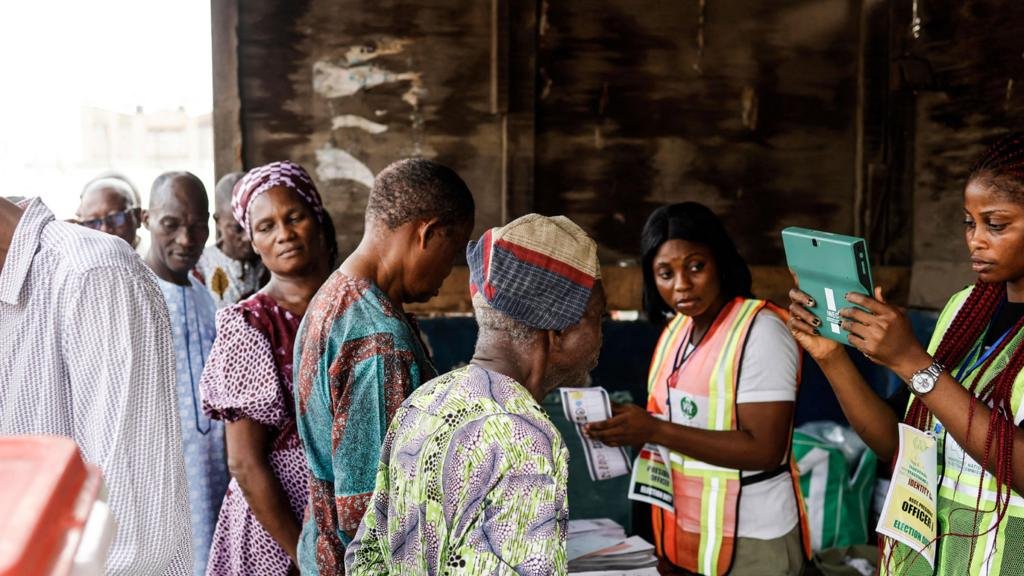
Political parties encourage citizens to participate actively in elections. They work throughout the election period to increase public interest in the voting process.
They recruit new members, organise rallies, visit communities, hold meetings, and use different forms of media to explain their programmes. Parties also encourage supporters to come out and vote on election day.
These efforts often increase voter turnout and strengthen democratic participation across the country.