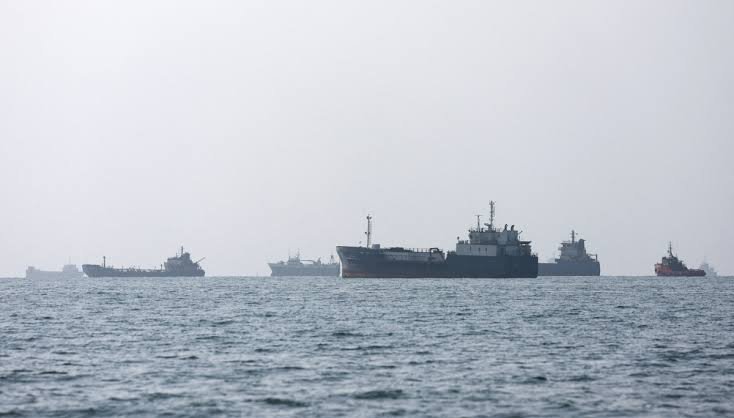
South Korea is weighing whether to contribute to US-led efforts around the Strait of Hormuz, while Iran warns that foreign involvement on the US side could carry “serious consequences”.
Seoul said it was considering possible contributions but had not made a final decision. The government has also said any overseas deployment must not weaken its defence of the Korean Peninsula.
The economic stakes are high. Hormuz normally handles about one-fifth of global oil and liquefied natural gas exports, making disruption to shipping a direct concern for major energy-importing economies.
South Korea has a particular exposure because its industries depend heavily on imported crude oil and other energy products. A prolonged interruption would put pressure on refiners and manufacturers while increasing the cost of transporting goods.
Iran has introduced a permission system for vessels seeking to cross the strait, replacing the unrestricted transit arrangements that existed before the war. The United States and several regional governments reject Tehran’s restrictions and continue to demand free navigation.
Seoul could contribute without taking part in combat. Options under consideration include maritime patrol, logistics and other forms of support for operations intended to keep commercial shipping moving.
Iran has responded directly to the possibility of South Korean involvement. Foreign Ministry spokesperson Esmaeil Baqaei warned Seoul against joining US operations in the Persian Gulf or Hormuz.
Baqaei said: “Any military deployment or participation in operations by other countries in the Persian Gulf or the Strait of Hormuz would inevitably be regarded as direct support for the aggressor and would have serious consequences.”
He also accused Washington of pressuring other governments to participate, saying: “No sovereign and responsible country should succumb to US pressure and intimidation and become complicit in acts of aggression and horrific crimes against the great Iranian nation.”
The warning comes as Seoul maintains diplomatic contact with Tehran. South Korea’s Foreign Ministry has called for stability in the Middle East and the safe passage of vessels, including South Korean ships, through the strait.
Meanwhile, shipping activity has deteriorated sharply since the fighting began. The disruption has reduced the movement of commodities through one of the world’s key maritime routes and contributed to pressure on international oil markets.
The dispute also remains unresolved at the diplomatic level. An April ceasefire ended the initial phase of heavy bombardment, but clashes around Hormuz have continued and negotiations between Washington and Tehran have stalled.
The situation leaves Seoul dealing with an immediate practical concern: any contribution to US operations could affect its relations with Iran at a time when South Korean businesses depend on the continued movement of energy and commercial cargo through the Gulf.